If you are looking at a wooden pull up bar and wondering whether it is actually better than metal or just nicer to look at, you are asking the right question. A lot of people buying home gym equipment focus on weight capacity first, but the feel of the bar matters just as much once you start doing regular sets, hangs, and skill work. In this guide, I will walk you through when to choose a wooden pull up bar, when a metal bar makes more sense, what to check before buying, and how to make the safest choice for your training space and goals.
What Makes a Wooden Pull Up Bar Different?
A wooden pull up bar feels different from the first rep. That is usually the first thing athletes notice. The second thing is that it often changes how long they can comfortably hang, how their hands feel after volume work, and how confident they feel during controlled calisthenics training. If you are comparing a wooden pull up bar to a standard steel model, the biggest differences come down to grip texture, skin comfort, maintenance, and the kind of training you plan to do.
How wood compares to metal as a bar material
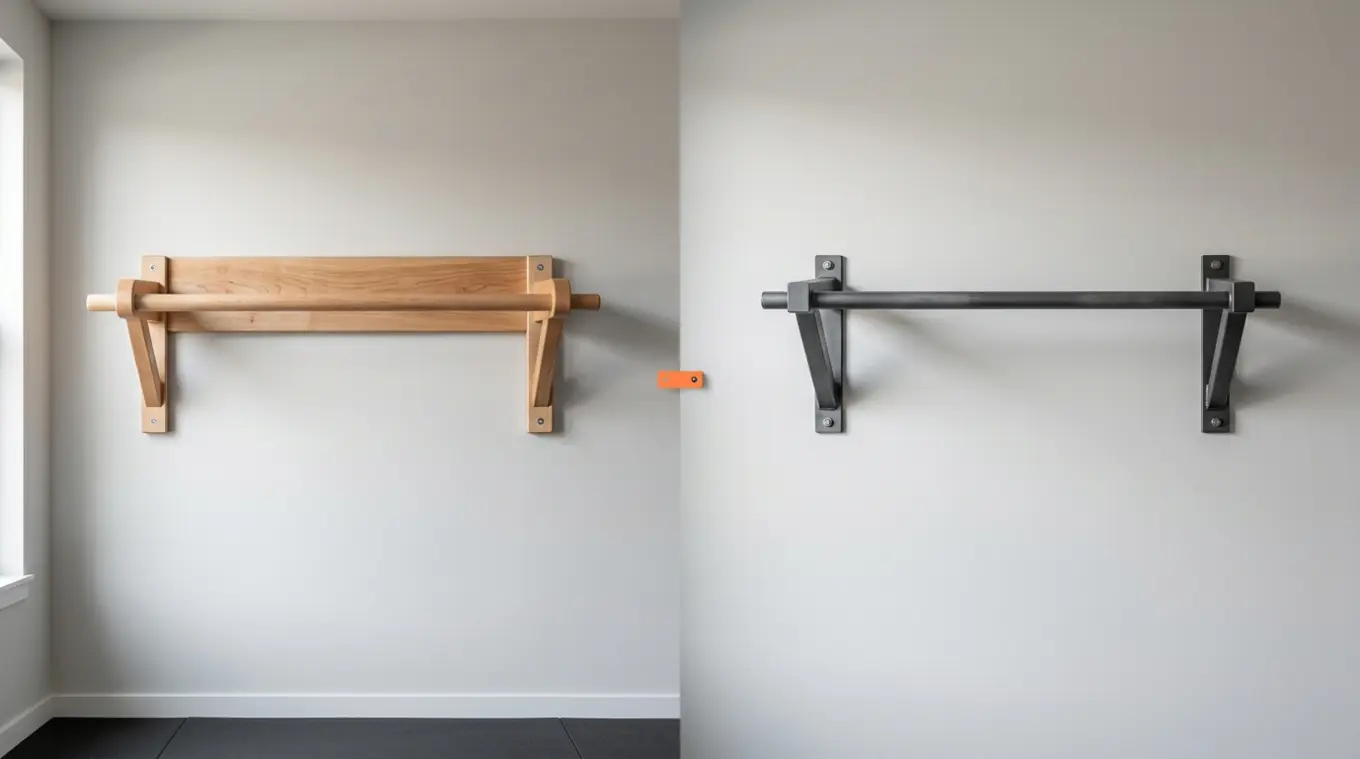
In a basic wood vs metal pull up bar comparison, metal usually wins on pure weather resistance and often on maximum loading for heavy commercial setups. Wood, on the other hand, tends to win on grip feel. A good wood pull up bar has a warmer, less aggressive surface than steel. It does not feel as cold in winter, and it usually does not become slick in the same way glossy metal can.
That does not mean wood is weak. A quality wall mounted wooden pull up bar built with the right hardwood and installed correctly can be very solid. But the performance depends heavily on the wood type, the finish, and the mounting system. Cheap wood with poor sealing or weak brackets is not the same thing as a well built training bar.
From experience, athletes who train strict pull ups, chin ups, scapular pulls, dead hangs, and controlled skill drills often appreciate wood more than athletes who mainly do kipping, outdoor circuits, or very heavy weighted work.
Why grip feel matters more than most people think
Grip feel affects more than comfort. It affects confidence, rep quality, and how much chalk you need. A natural grip pull up bar made from wood can feel more secure because the surface gives you a bit more tactile feedback. That matters during slower sets where hand position and forearm fatigue become limiting factors.
I have used both wooden and metal bars for years, and one pattern shows up again and again. On wooden bars, many athletes can tolerate more hanging volume before their hands feel beaten up. That is especially useful for beginners learning to hang properly, and for intermediate athletes working toward higher pull up volume or skills like front lever progressions.
If grip is one of your weak points, a wooden setup may be worth considering alongside guides like best equipment for grip training and best liquid chalk for calisthenics.
The Main Reasons Athletes Choose Wood Over Metal
When people ask why choose a wooden pull up bar, the answer is usually not about one single feature. It is a combination of training comfort, appearance, and the kind of home setup they want to build.
Natural grip and skin comfort during long sets
This is the biggest reason. A wood grip pull up bar usually feels easier on the hands during long sets and repeated sessions through the week. The texture tends to be less harsh than knurled or coated steel, but still grippy enough when the surface is finished correctly.
For athletes doing high volume bodyweight work, this can make a real difference. If your training includes multiple sets of pull ups, chin ups, active hangs, toes to bar progressions, and accessory grip work, a wooden pull up bar can reduce hand irritation. That does not mean you will never get calluses, but it often feels less abrasive.
It is also a smart option for home athletes who train without gloves and want a more natural hand feel. In my experience, wooden bars reward controlled technique. If your reps are strict and consistent, the grip usually feels excellent.
Aesthetics and fit in a home gym setup
The second reason is simpler. A wooden pull up bar often looks better in a home gym. If your setup is in a garage, spare room, basement, or apartment, wood blends in more naturally than industrial steel. That matters more than some people admit, especially if the bar stays mounted all year.
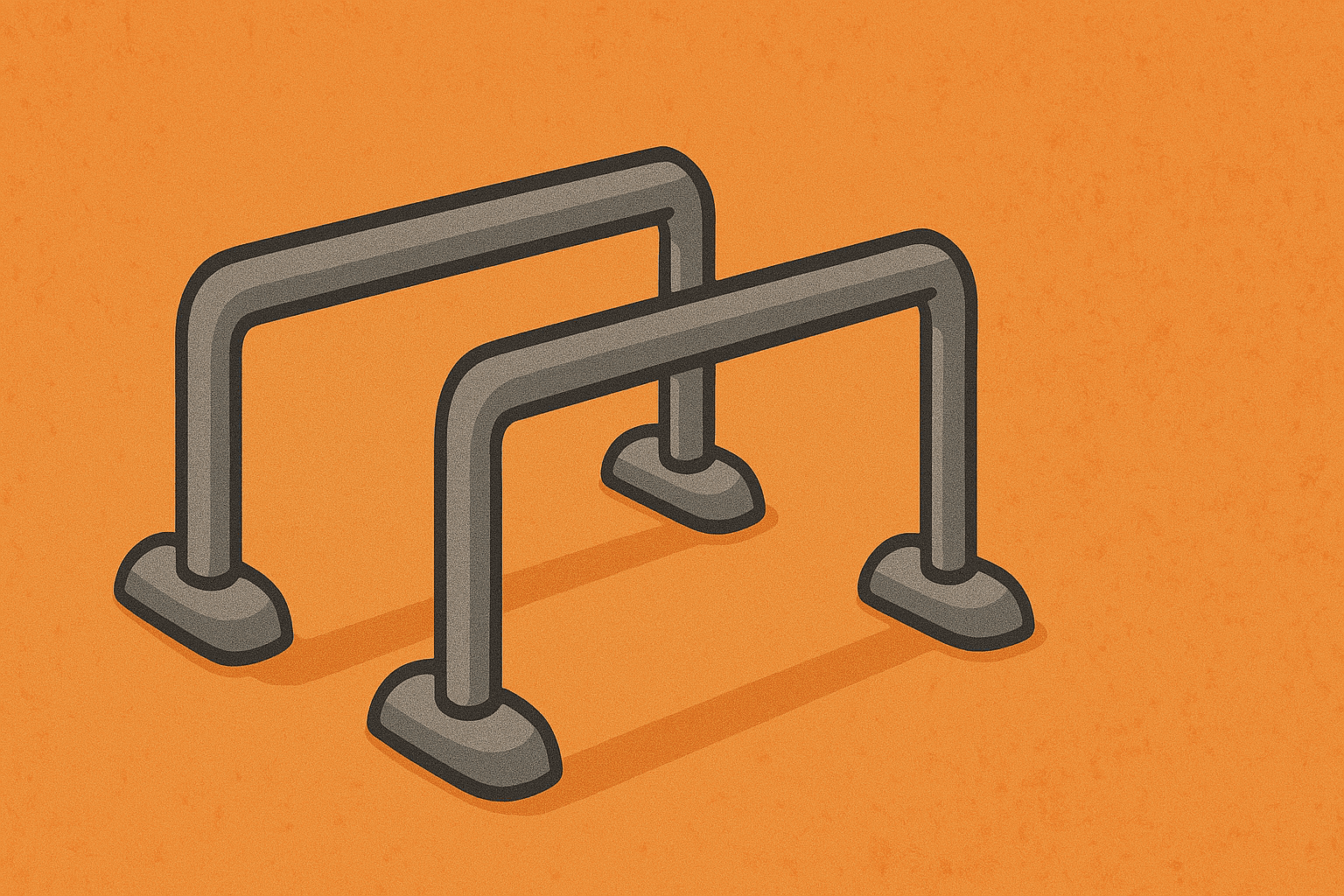
A clean wooden setup also pairs well with other wooden calisthenics tools like rings or parallettes. If that style appeals to you, you may also like this guide on wood calisthenics equipment.
For athletes building a home gym they actually want to use every day, good aesthetics are not superficial. Equipment that fits your space often gets used more consistently.
When a Wooden Pull Up Bar Is the Right Choice
If you are still trying to decide when to choose a wooden pull up bar, the short answer is this. Choose wood when your training is mostly indoors, you care about grip feel, and you want a bar for strict calisthenics rather than harsh outdoor or very heavy loading.
Training goals that favor wood
A wooden pull up bar is a strong choice for bodyweight strength, clean rep quality, beginner to intermediate calisthenics, and skill focused practice. It works especially well for pull ups, chin ups, isometric holds, dead hangs, scapular work, knee raises, and technique focused upper body sessions.
If your goals include building your first strict pull up, improving top position control, increasing time under tension, or training with a more comfortable hand feel, wood makes a lot of sense. It can also be excellent for gymnastic style pulling where control matters more than max loading.
For many athletes, wood fits the sweet spot between performance and comfort. I often recommend it to people who train three to five times per week at home and are tired of overly slick doorway bars or harsh steel grips.
If your priority is learning stronger basics first, it also helps to combine bar work with resources like how to do a pull up with perfect form.
Home gym setups where wood works best
Wood works best indoors in dry, stable environments. Think garage gyms with decent climate control, spare rooms, dedicated home training spaces, or a well planned studio setup. A wall mounted wooden pull up bar is usually a better choice than a wooden doorway pull up bar if you want long term stability and a more secure training feel.
A wooden doorway pull up bar can work, but this category needs extra caution. Doorway bars already depend more on fit, frame quality, and leverage. When wood is added, build quality matters even more. For most serious athletes, a properly mounted wall setup is the better move.
If you are unsure whether a doorway or fixed setup fits your home better, a comparison like doorway vs wall mounted pull up bar can help before you buy.
When You Should Choose Something Else Instead
A wooden bar is not always the best option. Sometimes a steel setup is simply more practical, more durable, or more appropriate for your training style.
Outdoor use and weather exposure
If the bar will live outside year round, metal is usually the safer choice. Rain, humidity, heat swings, and direct sun can shorten the life of wood, especially if the bar is not specifically built and sealed for outdoor use. Wooden pull up bar safety depends a lot on the environment. Wood can dry out, swell, crack, or become rough if neglected.
Even outdoor rated wood needs more upkeep than steel. If you want a setup for a backyard rig, porch, or exposed garage opening, I would usually lean toward a coated steel bar instead. A wood vs steel pull up bar decision becomes easier here because weather is a major factor. Steel generally wins.
If outdoor training is your priority, it is better to look at options built specifically for that environment, such as guides on the best outdoor pull up bar.
Heavy loading and weighted calisthenics
If you are doing heavy weighted pull ups regularly, especially advanced weighted calisthenics or streetlifting style training, metal is often the better fit. This is not because wood cannot be strong. It can. The issue is that heavy loading raises the importance of hardware, brackets, structural rigidity, and long term fatigue resistance.
| Factor | Wooden pull up bar | Metal pull up bar |
|---|---|---|
| Grip feel | Warmer, more natural, often more comfortable on hands | Can feel harsher or slicker depending on coating and finish |
| Best for | Strict indoor calisthenics, hangs, skill work, bodyweight training | Outdoor use, heavy weighted pull ups, high load training |
| Skin comfort | Usually gentler during long sets and higher volume | Often tougher on hands, especially with aggressive texture |
| Weather resistance | Better kept indoors in dry, stable conditions | Usually better for outdoor or variable environments |
| Maintenance | Needs occasional inspection, cleaning, and surface care | Typically lower maintenance overall |
| Home gym look | Blends in well and feels more premium in indoor spaces | More industrial look, but wider product selection |
For athletes using dip belts and pushing progressive overload hard, a robust steel wall bar often gives more peace of mind. If you are adding serious weight and chasing performance numbers, I would generally choose a high quality steel model from a trusted brand over wood.
This is where Gornation stands out. If your focus is weighted calisthenics, their wall mounted options such as the Multi Pull Up Bar or Uni Pull Up Bar make more sense than choosing wood just for feel. They are built for stability, and that matters once the weight goes up. If you are also deciding how to load your pull ups, this guide on rope or chain for a dip belt is worth reading.
What to Look for in a Quality Wooden Pull Up Bar
If you decide wood is right for you, buying the right model matters a lot. The difference between a great wooden pull up bar and a bad one is bigger than most people expect.
Wood type and surface finish
Start with the wood itself. Hardwood is the safer bet. Beech, ash, oak, and maple are commonly preferred because they are dense and durable. Softwood is usually less ideal for a main pull up bar because it wears faster and can feel less solid over time.
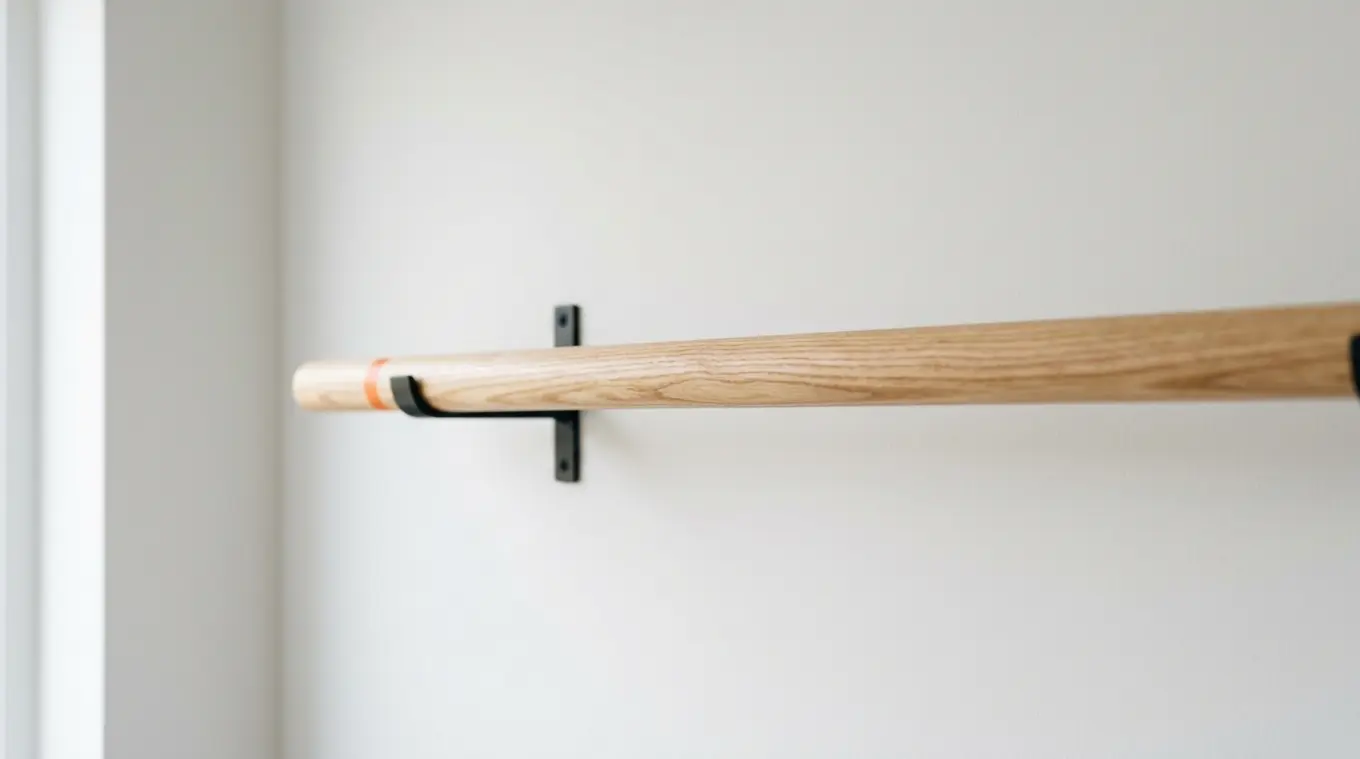
The finish should be smooth but not slippery. You want a surface that protects the wood without turning it glossy. An overly polished bar can cancel out one of the main reasons to choose wood in the first place. A lightly sealed or properly sanded finish tends to feel best.
Also look for consistency. The grain should be clean, with no obvious weak points, cracks, or rough patches. For wooden pull up bar safety, that visual inspection matters before the first workout.
Diameter, length, and mounting options
Diameter changes how the bar feels in your hands. Too thick and it may fatigue your grip early. Too thin and it can feel less comfortable during long hangs. Many athletes prefer a moderate diameter that feels natural for both pull ups and chin ups.
Length matters too. A wider bar allows more grip variety, but only if the mounting is stable. Make sure the total width suits your shoulder width, your wall space, and the exercises you actually plan to do.
Mounting is where a lot of buying mistakes happen. A wall mounted wooden pull up bar should come with a clear load rating, solid brackets, proper hardware guidance, and ideally installation instructions that match your home construction standards. Always check the wooden pull up bar weight limit, but do not stop there. A stated load capacity means little if you mount it into weak material or drywall without proper support.
If you are a renter or need a non permanent option, a wooden setup may not be the easiest route. In that case, a removable system like Gornation Hook It or Extend It may be more practical, even though those are not wooden bars.
Wood vs Metal Pull Up Bar: A Clear Side-by-Side Comparison
Let’s make the wood vs metal pull up bar choice straightforward.
Choose wood if you want a warmer hand feel, a natural grip pull up bar surface, better skin comfort for controlled indoor training, and equipment that looks clean in a home gym. Choose metal if you want the most practical option for outdoor use, higher confidence for very heavy weighted training, wider product selection, and often lower maintenance.
In a wood vs steel pull up bar comparison, neither material is automatically better. It depends on use case. For a calm indoor setup focused on strict pulling and comfort, wood is often the better experience. For hard use, shared spaces, outdoor setups, or high load progression, steel usually wins.
Another practical difference is product availability. There are far fewer high quality wooden pull up bars on the market than metal ones. That means you need to be more selective and more careful with reviews, specs, and installation details.
Is a Wooden Pull Up Bar Worth the Price?
Price is a practical part of any equipment decision, and wooden pull up bars are not always cheap. A quality wall mounted wooden pull up bar made from hardwood with solid mounting hardware typically sits at a similar price point to a mid-range steel wall bar, or sometimes higher depending on the brand and finish.
Budget wooden options exist, but they are often the ones that disappoint. A vague wood description, thin finish, or weak bracket system undermines the main reasons to choose wood in the first place. When comparing prices, make sure you are looking at products with a clearly named hardwood, proper mounting specs, and a realistic load rating.
The value case for wood comes down to whether hand comfort, natural grip, and indoor aesthetics genuinely matter to your training experience. If they do, and you train consistently indoors, a quality wooden bar can justify a slightly higher price. If you are comparing a premium wooden option against a well built steel bar at a similar price point, let your training priorities and environment guide the decision rather than the material alone.
If budget is a concern and you cannot find a solid hardwood model that checks every box, a steel bar from a reputable calisthenics brand is the safer value. You are better off buying a proven steel bar than a cheap wooden one that does not deliver the grip feel or stability you paid for.
How to Maintain a Wooden Bar So It Lasts
A wooden bar does not need complicated care, but it does need consistent care. Keep it dry, keep it clean, and inspect it regularly. Sweat, chalk buildup, and humidity are the main things to watch.
Wipe the bar down after training, especially if you sweat heavily. If you use chalk, remove excess buildup so the surface stays consistent. Every so often, inspect the bar for rough areas, splinters, finish wear, and movement in the mounting hardware.
If the manufacturer recommends occasional light sanding or refinishing, follow that guidance. I would not improvise with thick varnish or random wood oils unless the brand specifically approves it, because that can ruin the grip feel.
Also recheck the mounting points regularly. Wooden pull up bar safety is not just about the bar itself. It is also about the bolts, brackets, studs, and wall condition over time.
Who Is a Wooden Pull Up Bar Best Suited For?
A wooden pull up bar is best suited for athletes who train indoors, care about hand comfort, and prefer strict calisthenics over maximal loading. It is especially appealing for beginners building consistency, intermediate athletes doing regular volume work, and home gym owners who want equipment that feels premium without looking overly industrial.
It is also a smart choice for people with sensitive hands, people who dislike cold steel in winter, and those who enjoy a more natural training feel. If your workouts include lots of dead hangs, pull up practice, scapular control work, and slower strength sets, you are probably a good candidate.
On the other hand, if your training is mostly advanced weighted calisthenics, outdoor sessions, or very dynamic bar work with constant hard impact, a steel setup is usually the more practical recommendation.
Our Recommendation: Which Wooden Pull Up Bar to Get
If you already know you want wood, I recommend prioritizing a wall mounted wooden pull up bar from a brand that clearly lists hardwood type, finish details, mounting specs, and a realistic weight rating. Avoid vague listings that only say solid wood and heavy duty without naming materials or installation requirements.
For most athletes, I would only choose a wooden pull up bar if it is clearly designed for indoor use, mounted securely, and backed by trustworthy product support. If you cannot find a wooden option that checks all those boxes, a steel bar from a proven calisthenics brand is the smarter buy.
That is why my practical recommendation is split in two. If your main priority is the wooden feel and your training is strict, indoor, and bodyweight focused, buy a well reviewed wall mounted wooden pull up bar with hardwood construction. But if you want fewer compromises, broader exercise use, and better long term versatility, look at Gornation instead.
For most readers, the best real world choice will be a Gornation pull up bar rather than forcing a wooden option that may be harder to source well. The Gornation Multi Pull Up Bar is the best pick if you want multiple grips and a stable platform for long term progress. The Uni Pull Up Bar is the better choice if you want a simple, compact, no nonsense setup for strict pulling. If you are in an apartment or need a removable option, Hook It or Extend It are more practical than trying to find a wooden doorway pull up bar that truly feels secure.
So when to choose a wooden pull up bar? Choose it when grip feel, comfort, and indoor aesthetics matter more to you than outdoor durability or heavy weighted performance. If that sounds like your setup, wood can be a very satisfying upgrade. If not, a high quality steel bar from Gornation is likely the better long term investment.
A wooden pull up bar is not the right answer for everyone, but it is a very good answer for the right athlete. If you train indoors, care about natural grip feel, and want a bar that is comfortable for strict pull ups, hangs, and controlled calisthenics work, wood is absolutely worth considering. If your training is outdoors or heavily weighted, metal is usually the better tool. My advice is simple. Buy for the way you actually train, not just for how the product looks. And if you want the safest all around option with fewer compromises, a well built Gornation pull up bar is hard to beat.
Frequently Asked Questions
Are wooden pull up bars better than metal ones?
Wooden pull up bars are better for some athletes, not all. They usually feel more comfortable on the hands and offer a natural grip, which is great for strict indoor training. Metal bars are often better for outdoor use, heavy weighted pull ups, and lower maintenance. It depends on your goals and setup.
Is a wooden pull up bar safe for daily training?
Yes, a wooden pull up bar can be safe for daily training if it is made from quality hardwood, mounted correctly, and checked regularly. The most important part is not just the bar material but also the hardware, wall support, and stated load rating. Poor installation is a bigger risk than the wood itself.
What is the typical wooden pull up bar weight limit?
The wooden pull up bar weight limit varies by brand, wood type, and mounting system. Some are rated for standard bodyweight use, while stronger wall mounted models can support considerably more. Always check the official rating and remember that your wall structure and installation quality affect real world safety just as much.
Can I use a wooden pull up bar outside?
You can use one outside only if it is specifically designed and sealed for outdoor conditions, but in most cases I would not recommend it. Moisture, heat, and temperature changes can shorten the life of wood significantly. For outdoor calisthenics, a coated steel pull up bar is usually the more durable and practical choice.
Should I choose a wooden doorway pull up bar or a wall mounted one?
If you want the best stability and long term confidence, choose a wall mounted wooden pull up bar. A wooden doorway pull up bar can work, but doorway systems are more sensitive to fit, frame strength, and design quality. For serious training, wall mounted is usually the better and safer option.