If you want a stronger core without endless crunches, the plank is one of the best places to start. It looks simple, but a small form mistake can shift the work from your abs to your lower back or shoulders. In this guide, I’ll show you how to plank with clean, safe technique, how long to hold it, and how to scale it up or down depending on your level. You’ll also learn the most common mistakes I see in calisthenics training and the quick cues that fix them.
How to plank with proper form
Set up the position
Choose a forearm plank for the most beginner friendly option, or a straight arm plank if your wrists feel good. Place elbows under shoulders (or hands under shoulders), feet hip width, and press the floor away so your shoulder blades feel stable.
Hit the key body line
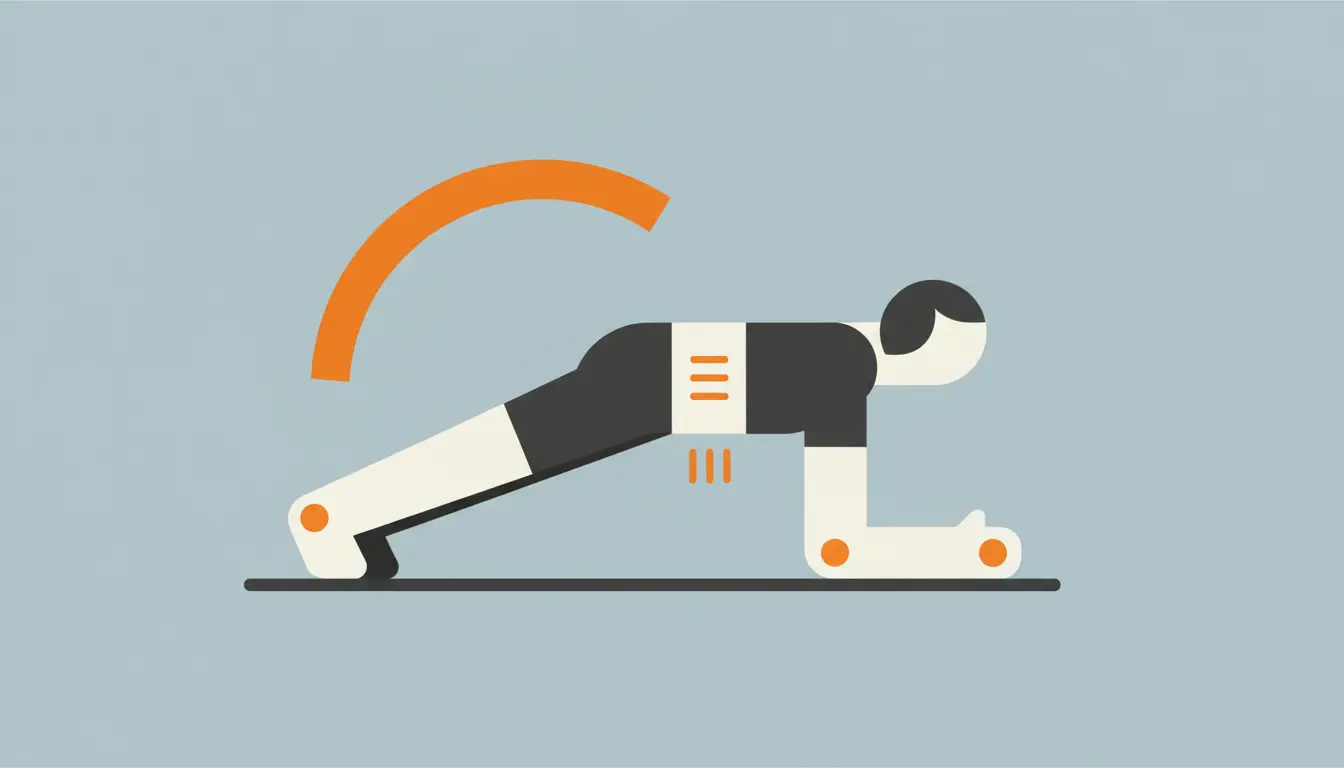
Think “head to heels in one line.” Slightly tuck your chin, look at the floor, and keep ribs down. The cue that helps most people is to squeeze your glutes and gently pull your belly button in, without holding your breath.
Breathing and timing
Stay calm and breathe quietly through the hold. I’d rather see 3 crisp sets of 10 to 20 seconds than one shaky minute. Rest about 45 to 60 seconds and repeat.
Common plank mistakes (and quick fixes)
Hips sagging or piking
If your hips drop, your lower back takes over. If your hips are too high, you’re dodging the core work. Film one set from the side and aim for that straight line again.
Neck and shoulder tension
When you “hang” in the shoulders, you’ll feel it in the neck fast. Push the ground away, keep elbows under shoulders, and keep your neck neutral.
- Sagging hips: squeeze glutes and exhale
- High hips: step feet slightly back and brace
- Shoulders shrugged: press the floor away
- Holding breath: slow nasal breathing
Progressions, regressions, and simple variations
Easier options
If a full plank breaks your form, scale it. A knee plank or hands on a couch keeps the same pattern with less load, which is honestly the fastest way to improve.
Harder options
Once you can hold 45 to 60 seconds with perfect form, earn difficulty with quality. Try a side plank, plank shoulder taps, or a controlled “hardstyle” plank where you actively tense everything for short bursts.
- Knee plank: 3 sets of 15 to 30 seconds
- Forearm plank: 3 sets of 20 to 40 seconds
- Side plank: 2 sets per side of 15 to 30 seconds
- Hardstyle plank: 5 to 10 second max tension holds
Equipment that can make planks feel better
When your wrists or grip are the limiter
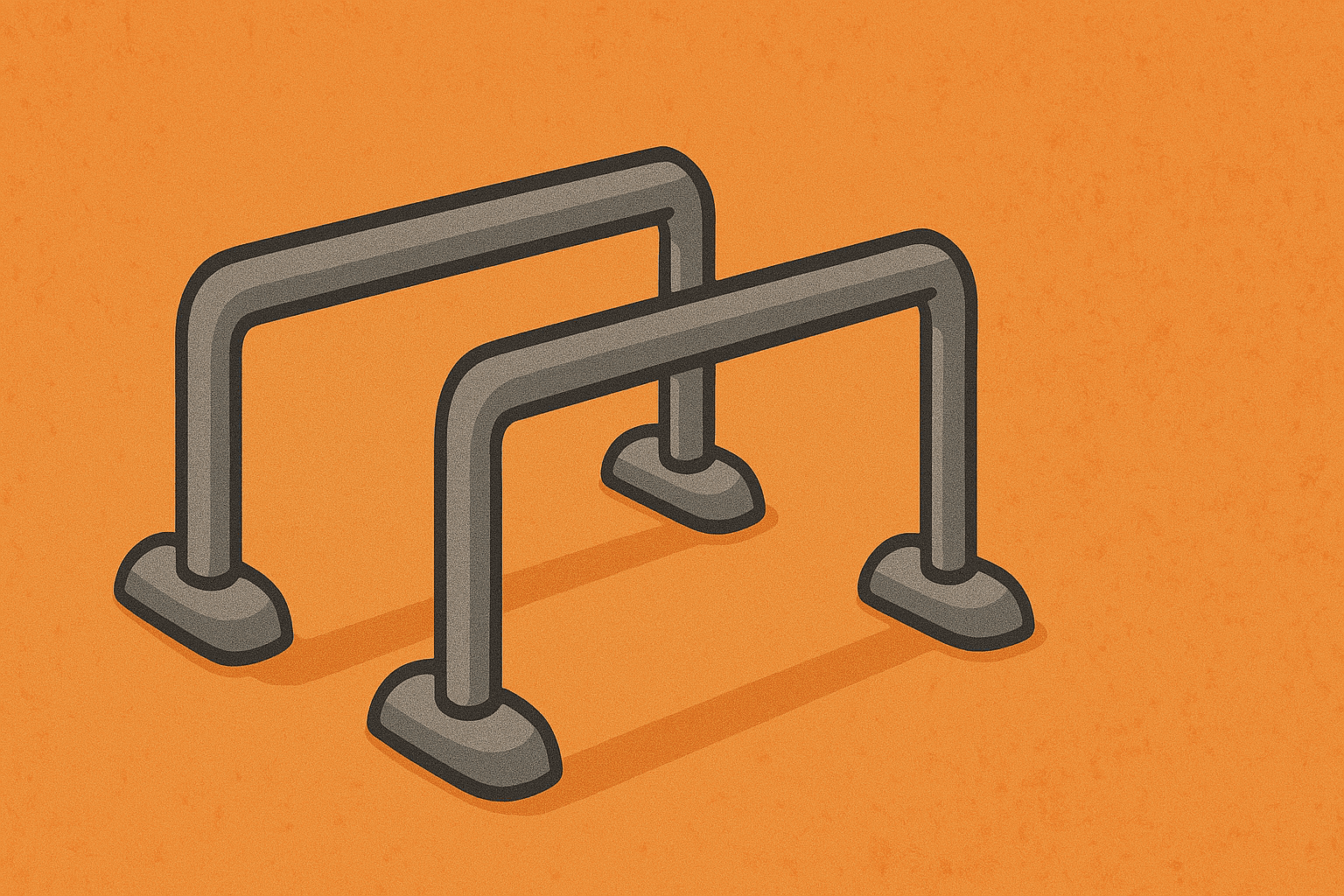
You don’t need gear, but comfort matters. If straight arm planks irritate your wrists, Gornation push up bars can keep your wrists more neutral. For sweaty hands or rough floors, simple Gornation training gloves can help you stay stable. If you want more options, see these calisthenics gloves picks.
Veelgestelde vragen
How to plank without hurting my lower back?
Most back discomfort comes from sagging hips. Start with shorter holds, squeeze your glutes, and keep ribs down. If you can’t maintain a straight line, regress to a knee plank or elevate your arms on a couch until you can hold clean form.
How long should I hold a plank as a beginner?
Use sets, not ego. Aim for 3 sets of 10 to 20 seconds with perfect form, breathing normally. Add 5 seconds per set when it feels solid. In practice, consistent clean reps beat one long, sloppy hold every time.
Is forearm plank or straight arm plank better?
Both work. Forearm planks are often easier on the wrists and keep the focus on the core. Straight arm planks can feel more shoulder heavy and expose wrist issues sooner. Pick the version you can do with stable shoulders and a straight body line.
How to plank if I have wrist pain?
First switch to a forearm plank. If you still want a straight arm version, raise your hands on a bench or use push up bars to keep a more neutral wrist position. Keep holds short and pain free, and focus on clean alignment.
Does the plank actually build abs?
Yes, but it builds your abs as a bracing skill, not as a crunch. You’ll feel the deep core working when you keep ribs down, breathe, and hold a straight line. Combine planks with other core moves for best overall carryover.
If you remember one thing about how to plank, make it this: quality beats duration. Build a straight line, brace gently, breathe, and stop the set the moment your hips or shoulders drift. Start small, progress steadily, and your plank will transfer to cleaner push ups, stronger holds, and better overall control.