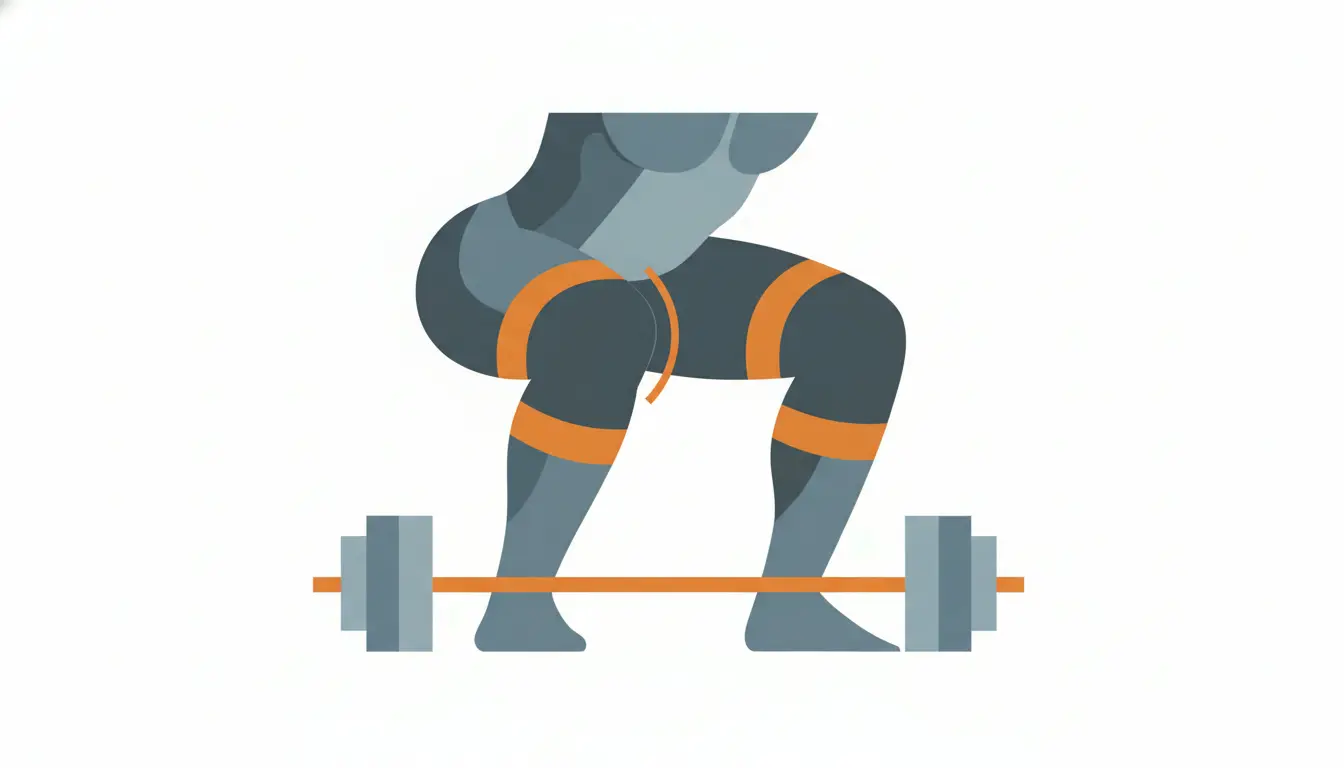
If your squat days sometimes leave your knees feeling beat up, knee sleeves can be a simple upgrade that makes training feel smoother and more confident. In this guide, I’ll break down what actually matters when choosing the best knee sleeves for squats without turning it into a confusing gear debate. You’ll learn how sleeve thickness changes support, how to get sizing right, what to look for if you’re doing powerlifting versus higher volume training, and how to avoid the most common mistakes that make sleeves feel useless. I’ll also share a few practical picks and who they fit best.
What knee sleeves really do for squats
Knee sleeves are not a magic fix, but they can be genuinely helpful when you use them for the right reasons. For squats, they mainly offer compression, warmth, and a bit of joint awareness. That combination often makes heavy sets feel more stable and less “creaky,” especially if you train frequently or squat in colder gyms.
Compression provides gentle pressure around the knee joint. In practice, that can reduce the feeling of wobble at the bottom and make it easier to keep your knees tracking where you want them. Warmth is underrated too. Warm knees tend to feel better under load, and sleeves help keep the joint warm between sets when you’re resting.
One important boundary: sleeves are not a substitute for good squat mechanics, sensible loading, and proper recovery. If you’re relying on sleeves just to tolerate pain, you’re treating the symptom, not the cause. For most lifters, sleeves are best used as a training tool for heavy sets, higher volume squat blocks, or days when your knees feel a little cranky but not injured.
Support versus “bounce” out of the hole
Many lifters describe thicker sleeves as giving a small “pop” out of the bottom. I’d frame that more realistically: the sleeve resists compression and helps you maintain tightness. That can feel like assistance, especially when you’re trying to stay upright and keep tension in your quads. The effect is subtle compared to knee wraps, but it’s noticeable with 7mm sleeves when the weight gets serious.
When sleeves are a bad idea
If sleeves make your lower leg go numb, if you get sharp pain, or if the knee feels worse during the session, that’s a sign the fit is wrong or the sleeve is too aggressive for what you’re doing. Also, wearing very tight sleeves for the entire workout, including warm ups and long accessory blocks, often turns into discomfort and distraction.
Choosing the right thickness: 3mm vs 5mm vs 7mm
Thickness is the quickest way to narrow down the best knee sleeves for squats. Most popular squat focused sleeves are 7mm neoprene because that thickness delivers the most compression and structure. But thicker is not automatically better for everyone.
7mm: best for heavy squats and powerlifting style training
If your goal is heavier squats, lower reps, and you want the most support a sleeve can offer, 7mm is the default choice. It’s also the thickness most commonly accepted in strength sport rule sets. The tradeoff is mobility and comfort. Tight 7mm sleeves can feel like a wrestling match to put on, especially if you have big calves or thick quads.
I like 7mm most for:
-
Heavy squat days with sets of 1 to 5 reps
-
Peaking blocks where confidence under the bar matters
-
Lifters who want strong compression and minimal sliding
-
People whose knees feel better when they stay warm
5mm: a balanced choice for mixed training
5mm sleeves hit a sweet spot if you squat heavy but also do a lot of accessories, front squats, split squats, or mixed modality training. You get support and warmth, but it’s easier to keep full range of motion without feeling like your knees are “locked.” For many intermediate lifters, 5mm is the most versatile long term option.
3mm to 4mm: warmth and light support
Thinner sleeves are more about staying warm, feeling a bit more stable, and reducing irritation during high volume sessions. For heavy squats, they won’t feel as supportive, but for technique sessions, tempo squats, or calisthenics leg training where you still want some knee comfort, they can be exactly right.
Fit and sizing: the make or break detail
Sizing is where most people get knee sleeves wrong. Brands are inconsistent, and a size that fits perfectly in one sleeve can be totally different in another. That’s why the best “review” in the world won’t help if your sizing is off.
How tight should knee sleeves be for squats?
For squat focused sleeves, you want a fit that is snug enough to stay put, but not so tight that it changes your movement or causes numbness. A useful rule: once the sleeve is on and positioned correctly, you should be able to squat with normal depth, and you should still feel your foot and lower leg normally.
Expect a tight sleeve to be annoying to pull on at first. That is normal with 7mm options. What’s not normal is pain, tingling, or a sleeve that forces you to cut depth.
Measure the right spots, not just your knee
Many sizing guides focus on knee circumference at the kneecap, but your calf size matters a lot. If your calf is much larger than your knee, you might need to size up even if your knee measurement suggests otherwise, simply to get the sleeve over the calf without destroying your hands every session.
When I help athletes choose sleeves, I look at:
-
Knee circumference at the center of the kneecap with the leg relaxed
-
Calf circumference at the widest point
-
Whether the athlete wants maximal compression or “all session” comfort
Sizing down: when it works and when it backfires
Some brands recommend sizing down for a more supportive feel. That can work if you’re experienced with sleeves and you only wear them for your top sets. For beginners, sizing down often backfires because the sleeve becomes so hard to position that you either wear it wrong or you stop using it altogether.
My practical advice: if it’s your first pair, choose the recommended size. Once you know what a normal fit feels like, then consider sizing down next time if you want more compression.
Best knee sleeves for squats: what I’d pick for different lifters
Rather than pretending there is one perfect sleeve, it’s more useful to pick based on your training style, tolerance for tight gear, and whether you compete. Below are sleeves that consistently show up as strong options in the market, plus how I’d think about them.
Best overall option for most squat focused lifters: Rogue Knee Sleeves
Rogue sleeves are often rated as the best overall because they balance build quality, support, and consistent performance. They come in multiple thickness options, which is ideal if you want to start with 5mm and later move to 7mm. The downside is price and the fact that sizing can still be tricky even with a chart.
Who they fit best: lifters who want a durable sleeve from a known brand, and who are willing to spend a bit more to avoid “budget surprises.”
Best for powerlifting style squats: SBD 7mm Knee Sleeves
SBD is a classic pick for a reason. The 7mm powerlifting focused design aims for maximal compression and a fit that stays consistent through the range of motion. Sizing ranges are broad, which helps more body types find a workable fit. The tradeoff is that they are premium priced and typically require hand washing.
Who they fit best: powerlifters, heavy squat specialists, and anyone who wants the most structured feel a sleeve can provide.
Best budget friendly 7mm: Gymreapers 7mm Knee Sleeves
If you want 7mm support without paying premium prices, Gymreapers is often the first brand people try. The value is good, but quality control can vary more than with top tier options. Also, some lifters report the fit feels less snug compared to other sleeves in the same size, which matters if you’re chasing maximum compression.
Who they fit best: beginners and intermediates who want to see if 7mm sleeves suit their squat training before investing more.
Best for long sessions and mixed training: Element 26 6mm
6mm sleeves are interesting because they land between 5mm and 7mm. Element 26 is often mentioned as a good “long workout” option because it’s supportive but a bit more forgiving. For squat days that include lots of accessories or conditioning after your main lifts, that comfort difference matters.
Who they fit best: lifters who squat regularly, want noticeable support, but dislike feeling trapped inside a very stiff sleeve.
Best for CrossFit style training that still includes heavy squats: Iron Bull 7mm
CrossFitters often end up owning two pairs: one for metcons and one for heavy strength. Iron Bull tends to be recommended as a workable compromise because it’s supportive yet tolerable in more dynamic sessions. It still won’t feel as comfortable as a thinner sleeve during long conditioning pieces, but it can cover a lot of ground if you want one pair.
Who they fit best: lifters who mix strength work with faster sessions and don’t want a dedicated “squat only” sleeve.
What I personally look for as a calisthenics athlete who also squats
Even though my home base is calisthenics, heavy leg work still matters, especially if you do weighted pistols, barbell squats, or streetlifting cycles. I care less about maximal compression and more about sleeves that stay in place, don’t irritate the skin, and don’t ruin mobility when I transition from squats to single leg work.
That’s why I usually prefer a “balanced” sleeve for most of the year, then use thicker sleeves only for heavy blocks. The mistake I see a lot is buying the stiffest 7mm sleeve possible and then wondering why it sits in the gym bag.
Key features to compare before you buy
Once you know your thickness and general category, the next step is checking features that decide whether the sleeve is pleasant to use or a daily hassle.
Material: neoprene and blends
Most squat focused sleeves are neoprene or neoprene blends, sometimes with SBR. Pure neoprene tends to feel more “classic” and compressive, while blends can resist permanent stretching a bit better. In real life, the bigger difference is build quality: stitching, seam design, and how well the sleeve keeps its shape.
Seams and construction
Reinforced seams matter because sleeves fail at the seams long before the material wears out. Look for double stitching and clean seam placement that follows the knee’s shape. A good sleeve should feel contoured, not like a straight tube that bunches behind the knee.
Grip and anti slip elements
Some sleeves use grippy fabric, silicone strips, or a textured outer layer. I like sleeves that stay put without needing aggressive silicone that irritates skin. If you sweat a lot or train in hot conditions, anti slip design becomes more important than you’d think.
Care: hand wash vs machine wash
This is a lifestyle factor. If you know you won’t hand wash gear consistently, choose a sleeve that tolerates machine washing on gentle cycles. Most high compression powerlifting style sleeves recommend hand washing and air drying to protect the rubber and elasticity. Ignoring this usually shortens their life.
How to use knee sleeves for squats without becoming reliant
Knee sleeves work best when you treat them like straps or wrist wraps: useful when needed, not something you wear by default for every warm up and every accessory. This is especially true if you’re a newer lifter developing confidence and consistency.
A simple, practical way to rotate sleeve use
Here’s a pattern that works well for many lifters:
-
Wear sleeves only for your top sets or working sets on heavy days
-
Skip sleeves on lighter technique days to keep your knees “honest”
-
Use thinner sleeves for volume blocks if you mainly want warmth
-
Take them off between sets if they feel too restrictive
This approach keeps sleeves useful without turning them into a crutch. It also makes your sleeves last longer because you’re not soaking them in sweat for an entire session.
Pairing sleeves with better squat prep
If your knees feel rough on squat day, sleeves might help, but a better warm up often helps more. A few minutes of light cycling, gradual warm up sets, and controlled tempo reps can do a lot. If you want a deeper dive into building your squat with bodyweight progressions, my favorite practical resource is this guide: https://calisthenics-equipment.com/how-to-train-bodyweight-squats/.
Common mistakes that make knee sleeves feel useless
Most disappointment with knee sleeves comes from a few predictable mistakes. Fix these and even a mid priced sleeve often feels “good enough.”
Buying the wrong thickness for your training
If you mainly do high rep squats, lunges, and circuits, an ultra tight 7mm sleeve can feel miserable and restrict movement. If you mainly chase heavy doubles and singles, a thin sleeve might feel like it does nothing. Match the sleeve to how you train most weeks, not to your one “PR day” fantasy.
Expecting pain to vanish
Sleeves can make training more comfortable, but they don’t resolve underlying issues like poor bracing, unstable feet, limited ankle mobility, or load jumps that are too aggressive. If pain is persistent, the best step is adjusting training variables, not squeezing the knee harder.
Ignoring positioning
A sleeve that sits too low won’t support the knee joint well. Too high and it can bunch behind the knee. You want the center of the sleeve aligned with the kneecap. It sounds obvious, but when sleeves are tight, people often settle for “close enough.”
Using sleeves as a substitute for smart loading
If you add sleeves and immediately increase weight because the squat feels easier, be careful. The goal is better quality reps and consistent training, not rushing into loads your tissues are not ready for.
Two subtle equipment additions that help squat training
I’m careful with recommendations because you don’t need a shopping list to squat well. That said, two pieces of calisthenics friendly gear can support your squat training indirectly, especially if you mix weighted calisthenics with barbell work.
Wrist support for front squats and rack positions
If front squats or clean style rack positions irritate your wrists, wrist wraps can make the session smoother. I like the Gornation wrist wraps as a simple, no nonsense option that doesn’t feel bulky. If you want a full overview of what to look for, here’s a helpful guide: https://calisthenics-equipment.com/best-wrist-wraps-for-calisthenics/.
A stable belt option for weighted leg work
If you do weighted dips and pull ups and also use loaded squats or belt squats, a solid dip belt is surprisingly useful for leg accessories. The Gornation dip belt is worth considering if you want one belt that works for both calisthenics and gym work without feeling flimsy.
Veelgestelde vragen
What are the best knee sleeves for squats if I only want one pair?
For one do everything pair, I’d usually pick a quality 5mm sleeve or a comfortable 7mm that you can tolerate for longer sessions. The best knee sleeves for squats in this case are the ones you will actually wear consistently, not the stiffest option on the market.
Should I get 7mm knee sleeves for squats as a beginner?
You can, but it depends on your training. If you mainly do moderate weights and higher reps, 7mm can feel overly restrictive. Many beginners do better with 5mm to learn clean depth and knee tracking, then move to 7mm later when heavy low rep squats become the priority.
Are knee sleeves allowed in powerlifting competitions?
Often yes, but rules depend on the federation. Many powerlifting federations allow 7mm sleeves within specific length limits, and some brands are explicitly approved. If you compete, always check your federation’s current equipment list and specifications before buying.
How tight should knee sleeves be for heavy squats?
Tight enough to stay in place and provide noticeable compression, but not so tight that you lose sensation, get numbness, or your squat depth changes. A good test is whether you can complete your warm up sets normally and still feel stable and comfortable during your working sets.
Do knee sleeves prevent injury when squatting?
No sleeve can guarantee injury prevention. Knee sleeves may improve comfort and stability and keep the joint warm, which can support good training. But smart progression, solid technique, and recovery habits matter far more. If you have ongoing pain, address training variables instead of relying on tighter sleeves.
The best knee sleeves for squats are the ones that match your training reality: 7mm for heavy, squat focused blocks, 5mm for a balanced mix of strength and volume, and thinner sleeves when you mainly want warmth and comfort. Prioritize fit, seam quality, and a sleeve that stays put. If you’re new to sleeves, resist the urge to size down aggressively. Start with a sensible fit, use sleeves mainly for working sets, and let good warm ups and smart loading do the heavy lifting.