Handstand push ups look intimidating, but they’re mostly a smart mix of shoulder strength, solid positions, and patient progressions. In this guide I’ll show you how to build them step by step without guessing. We’ll cover the exact prerequisites you should have first, the cleanest technique cues for strict reps, and the progressions that actually transfer. I’ll also share the common mistakes I keep seeing in calisthenics training, plus a simple weekly plan you can repeat. If you want a strong, controlled HSPU without rushing your shoulders, you’re in the right place.
What a handstand push up is (and what it isn’t)
Strict vs kipping
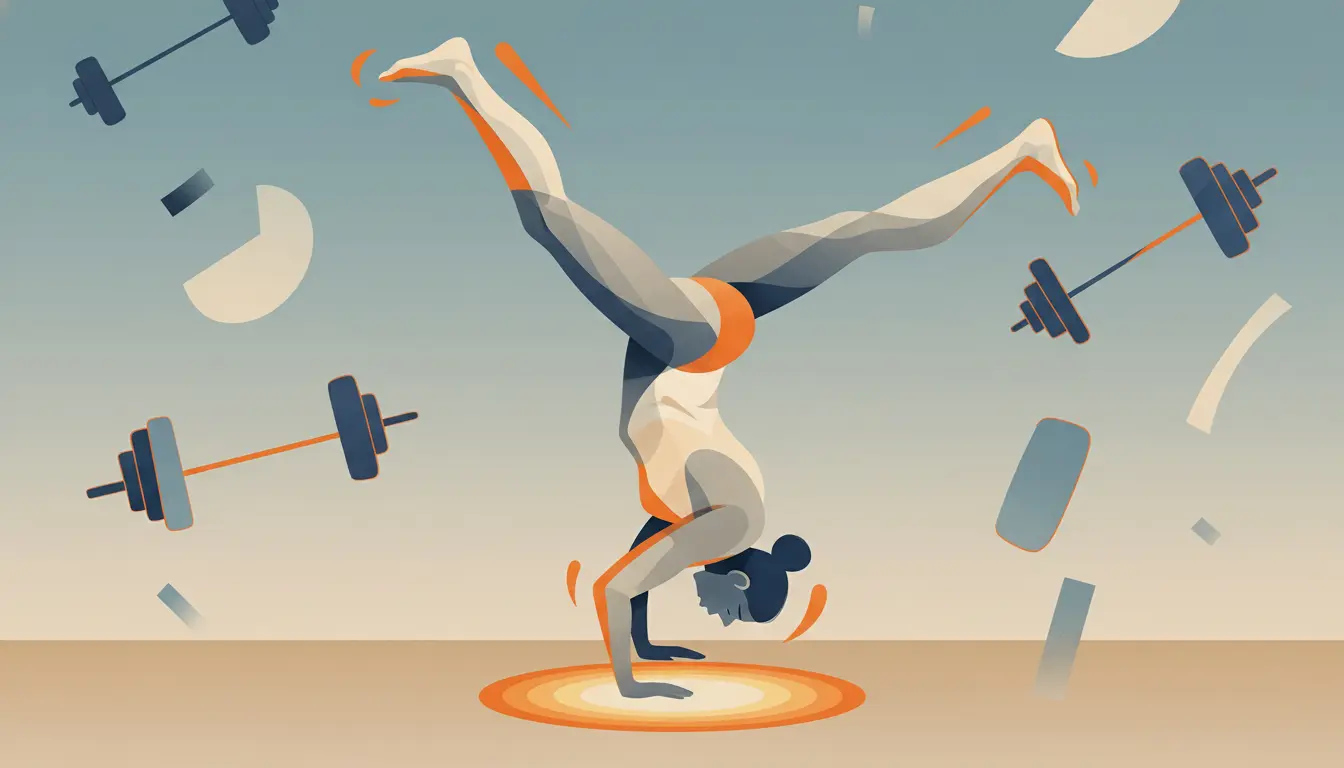
A handstand push up (HSPU) is a vertical press performed upside down: you lower under control until your head gently touches the floor (or a target), then press back to lockout using shoulders, triceps, upper back, and a tight midline.
A strict HSPU is pure strength and control. A kipping HSPU uses leg and hip drive to create momentum. Kipping can be useful for conditioning, but if your goal is clean calisthenics strength, I’d build strict first and use kipping later as a separate skill.
Why people struggle with them
Most people don’t fail because they lack “courage.” They fail because their position leaks: elbows flare, ribs open, hips drift, or the head dives forward. Fix the stack and the rep suddenly feels doable.
Prerequisites: earn the right to train HSPU
Minimum standards I’d want
Before you chase full reps, make sure you can hold an aligned wall handstand and handle your bodyweight on your hands. My practical baseline:
- Wall handstand hold for 20 seconds with ribs tucked and glutes on
- Pike push ups for controlled sets without collapsing at the bottom
- Wrist comfort in loaded extension (no sharp pain)
- Basic kick up control so you can get to the wall safely
If these feel shaky, your fastest path is not “more attempts,” it’s cleaning up the basics.
If your handstand itself is still inconsistent, use a focused guide like this handstand tutorial to tighten your line and balance. A better handstand makes HSPU practice way less random.
Technique: the cues that make strict reps feel strong
Setup and hand position
Place hands about shoulder width, maybe slightly wider if your shoulders are tight. Spread fingers and actively grip the floor. I like to think “claw the ground” with fingertips to stop overbalancing.
Stack matters: wrists under shoulders, hips over shoulders, heels over hips. Squeeze glutes and keep ribs down so you don’t banana your back.
The descent and the press
Shift slightly forward as you bend the elbows so your forearms stay close to vertical. Lower slowly, aiming to bring your head between your hands, not in front of them. At the bottom, touch lightly, then drive the floor away and finish with straight elbows and active shoulders.
- Elbows: keep them angled back, not flared wide
- Tempo: a controlled lower beats sloppy volume every time
- Breathing: exhale softly near the bottom to stay braced
Progressions that actually transfer to the full HSPU
Level 1: pike strength (your foundation)
Pike push ups are the simplest bridge. Elevate your feet to increase load, and bring your head toward a point between your hands. If you can’t keep control, reduce the height and own the range.
Level 2: wall negatives and head targets
Once pike reps are strong, move to wall-assisted negatives. Kick up, find a tight line, then lower for 3 to 5 seconds to a soft head touch. You’re teaching the exact groove of the HSPU without needing to press out yet.
Level 3: partials and full reps
Use a stack of mats, an ab mat, or a low target so you can press from a higher bottom position. When you can hit clean sets, gradually reduce the height until your head reaches the floor.
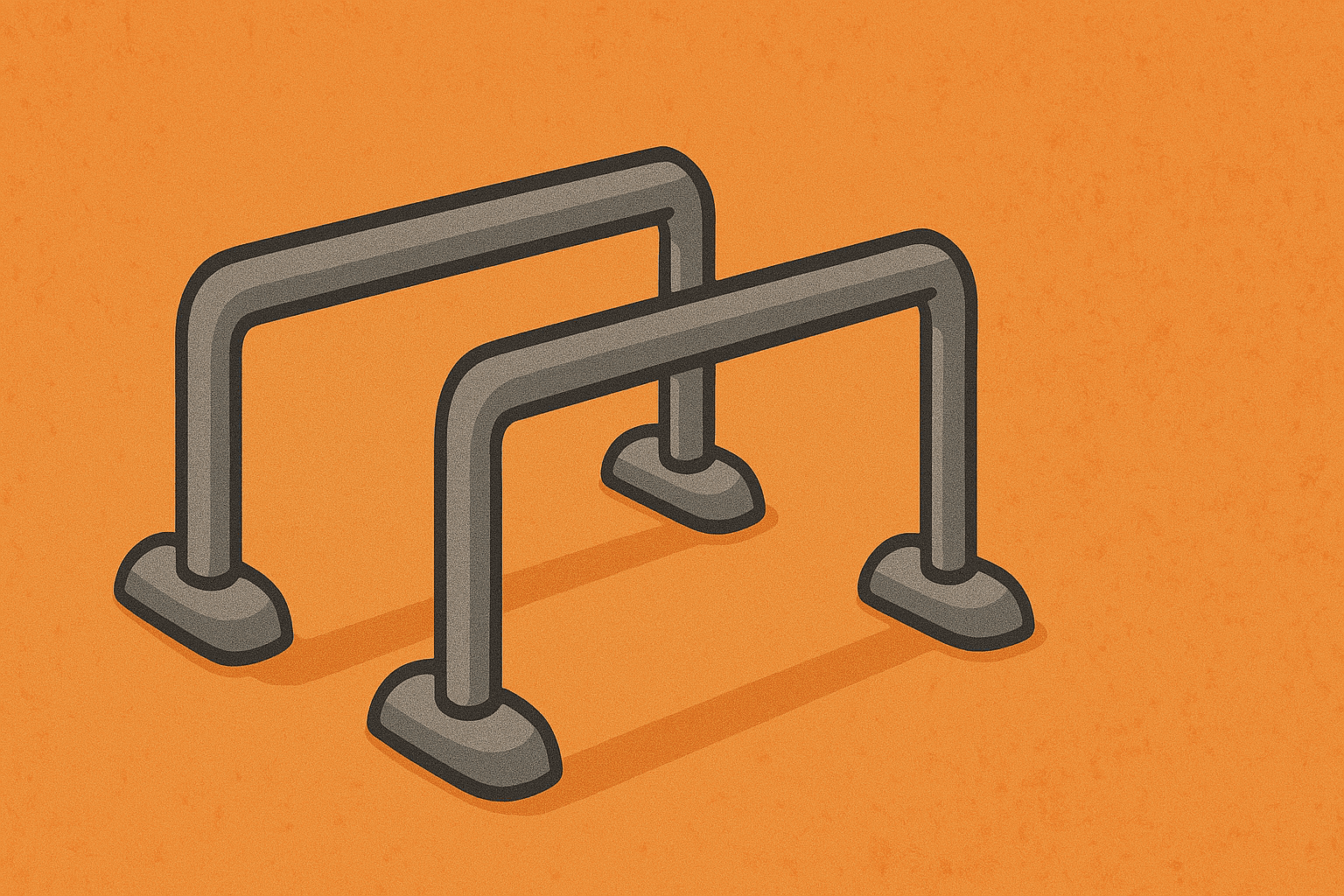
If you want more range and wrist comfort, parallettes are a great tool. The Gornation Parallettes are a solid option because they’re stable and give you consistent depth without needing to improvise setup.
Common mistakes (and quick fixes)
Elbows flaring and shoulder pinching
If your elbows shoot out, you’ll usually feel unstable and overloaded in the wrong spot. Think “elbows to pockets” on the way down. Filming one set from the side is often enough to spot it.
Losing the stack
Hips drifting away from the wall is the classic energy leak. Fix it by tightening glutes and quads, and by shifting slightly forward before you bend the elbows. When the stack stays, the press becomes much more vertical and efficient.
Rushing volume
High-rep attempts with messy form are the quickest way to stall. I’d rather see 10 total quality reps (including negatives) than 50 shaky ones.
A simple weekly plan (20 to 30 minutes, 3 days)
Session structure
- Warm-up (5 minutes): wrist circles, shoulder circles, gentle wall shoulder opens
- Handstand practice (8 to 10 minutes): wall holds and controlled kick ups
- Main work (10 to 12 minutes): 3 to 5 sets of your current progression for 3 to 6 reps
- Accessory (3 minutes): pike push ups or scapular drills for 2 short sets
Progress rule
When you can do 6 to 7 clean reps per set at your current level, move to the next harder version. If you’re grinding and form breaks, stay where you are and make it cleaner.
For wrist-heavy phases, I’m a fan of using supportive wraps when needed. If you want a practical overview, see this guide to wrist wraps. If you do choose wraps, I’d keep them as a helper, not a crutch. The Gornation Wrist Wraps are a straightforward pick for handstand work because they’re easy to tighten consistently.
Veelgestelde vragen
How to do handstand push-ups if I can’t hold a handstand yet?
Start with wall handstands and pike push ups. You don’t need a perfect freestanding handstand, but you do need a stable wall line and comfort bearing weight on your hands. Build to a 20-second clean wall hold, then add slow negatives before attempting full presses.
How to do handstand push-ups without a wall?
Realistically, the wall is the safest learning tool because it removes the balance problem. Without it, you’ll spend most sessions fighting the kick up. If you insist on no wall, use parallettes and focus on controlled freestanding holds first, then add tiny partial presses.
How many times per week should I train handstand push-ups?
For most beginners and intermediates, 3 sessions per week works well. Keep it short, prioritize quality, and leave at least one day between sessions for shoulders and wrists. If you feel joint irritation, reduce frequency and focus on easier progressions with perfect control.
Should my head touch the floor in a strict HSPU?
Eventually, yes, but only if you can keep a solid stack and a gentle touch. Early on, using a mat or target is smart so you can build pressing strength without collapsing. Lowering under control is the key signal that you’re ready to increase range.
What’s the biggest technique cue for learning how to do handstand push-ups?
Keep your body tight and your elbows angled back. Most failed reps come from losing the stack or flaring the elbows, which turns a vertical press into a messy diagonal one. Film a side view and check: ribs down, glutes on, slow descent, light head touch.
If you want to learn how to do handstand push-ups, treat it like a skill with rules: earn the prerequisites, practice clean positions, and progress one step at a time. Focus on pike strength, controlled wall negatives, and a tight stack before you chase full range reps. Stay patient with your wrists and shoulders, keep your reps crisp, and you’ll build a strict HSPU that feels strong instead of stressful.